You probably can open the shades yourself. In plenty of rooms, a well-made manual shade is the right answer. Motorized shades become worth paying for when the windows are hard to reach, several shades need to move together, privacy changes throughout the day, or the shades will otherwise stay in one position because operating them is a chore.
That is the test we use at ETG. The motor should solve a real problem. It should not be added just because the home has automation somewhere else.
Manual Shades Are Often Enough
A single shade beside a desk or guest-room window may be easy to reach and rarely moved. If one person can operate it comfortably, the cord or handle fits the room, and there is no reason to coordinate it with other windows, manual control may be all the room needs.
The cost difference is better spent where the motor changes daily use. That usually means large glass, tall windows, windows behind furniture, several adjacent shades, rooms with strong afternoon glare, or spaces where privacy matters at predictable times.
Motorizing every opening is not the only choice. A project can mix manual and motorized treatments. The useful question is not, "Should the whole house have motorized shades?" It is, "Which windows will be easier to live with if the shades move on command or on a simple schedule?"
The Case Changes When the Windows Change
The larger and less accessible the glass becomes, the stronger the case for motorization. A shade above a bathtub, behind a sofa, at a stair landing, or high in a two-story room may be technically operable by hand but inconvenient in practice.
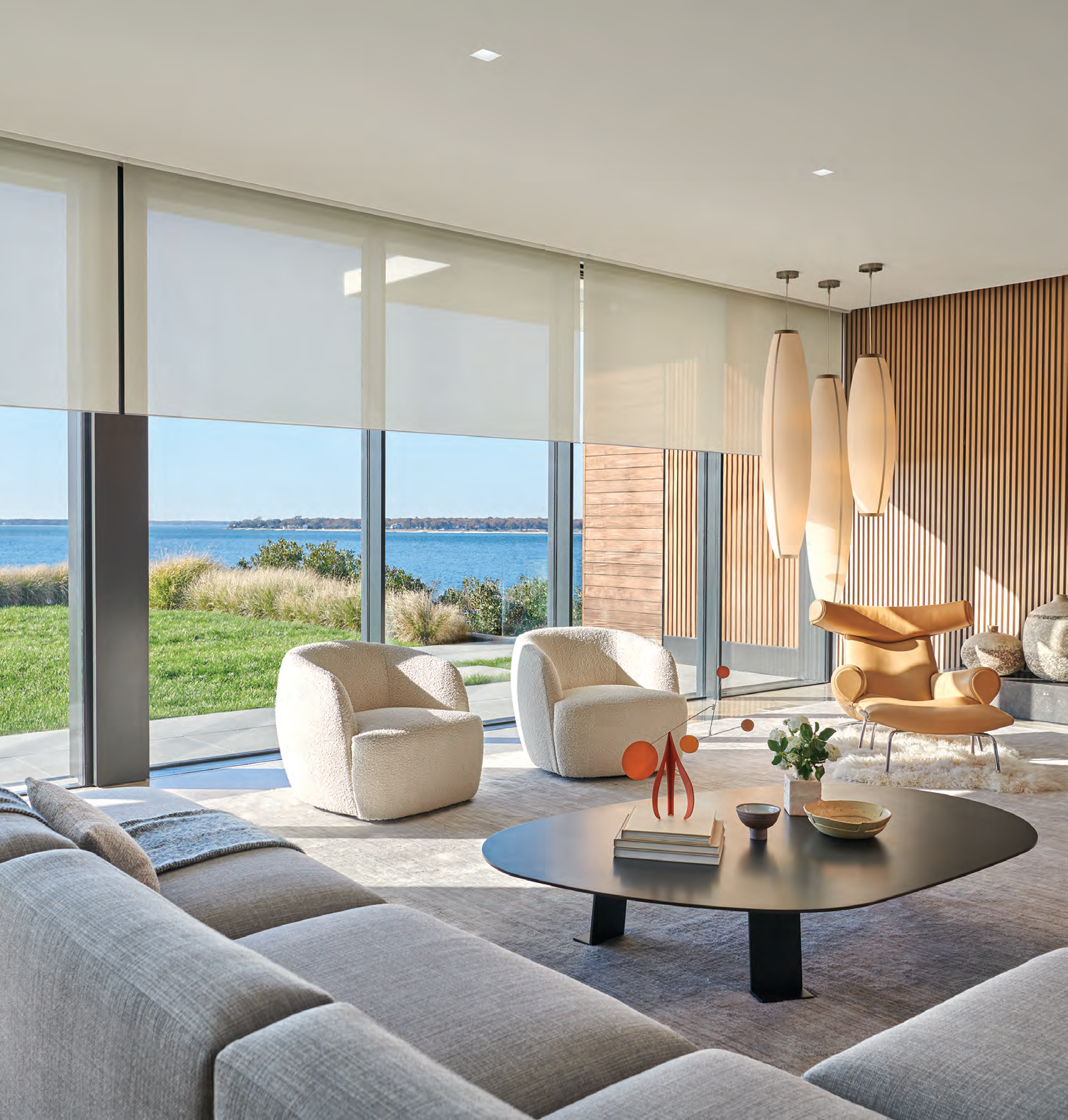
Banks of windows create a different problem. Six separate shades can take time to adjust, and small differences in position become obvious across one wall. A grouped command can move the room together. Individual control can still be kept where it helps, but the homeowner does not need to walk from window to window for the normal daily change.
Before recommending a motor, ETG looks at the actual path to each opening. We check furniture, counters, tubs, stairs, doors, window hardware, ceiling height, and the number of treatments in the group. A floor plan alone can make a window look easy to reach when the finished room will not be.
Start With the Problem the Shade Needs to Solve
The treatment should be selected around the room, not around an automation demo. We ask what the homeowner wants to change:
- Reduce glare on a television or work surface
- Add privacy without closing the room all day
- Darken a bedroom at night
- Preserve a daytime view while softening direct sun
- Protect a room from uncomfortable daylight at a particular time
- Operate tall or blocked windows without a ladder or reach tool
- Move a group of shades as part of a morning, evening, or away routine
Those answers affect more than the motor. They shape the fabric, mounting position, side channels or secondary treatment, control grouping, and schedule.
Houston sun also changes by orientation and season. The west-facing family room may need attention in late afternoon, while an east-facing bedroom has a different pattern. ETG reviews the direction of the glass and how the room is used before deciding that every shade on the elevation should behave the same way.
Fabric Choice Matters More Than the Motor
A motor can put the shade in the right position, but it cannot make the wrong fabric perform correctly.
Sheer fabrics can soften daylight and retain more of the view. More private or room-darkening fabrics give up some view in exchange for greater coverage. A bedroom may need a different answer from a living room, even when the windows look similar from outside.
Openness percentages help compare solar-screen fabrics, but the number does not tell the whole story. Interior lighting, exterior lighting, fabric color, time of day, and the view angle all affect what a person can see through a shade. Lutron's fabric guidance recommends a mockup when privacy is important because the result is subjective.
Blackout fabric also needs an honest conversation. The fabric can block light through its field, while light may still appear at the edges depending on the mounting condition. A room that needs stronger darkening may require side channels, a different overlap, or a second treatment. That detail should be settled before anyone promises a result based only on a fabric label.
ETG prefers to review a full-size sample at the window when the decision matters. Try it during the hours that cause the problem, then check it from each place where privacy or glare is a concern. A small swatch under showroom light cannot answer those questions.
Wired or Battery Powered Is a Project Decision
Battery or wire? There is no single correct answer for the whole house. Start with the opening, the selected product, the construction stage, expected use, and future service access.
In a finished room, battery power can avoid opening walls, provided someone can reach the treatment later for battery service. New construction creates a clean opportunity to discuss wired power, especially at tall, blocked, or frequently used openings.
Make the decision window by window before drywall whenever possible. One common mistake is assuming that "wireless" means no power wire. The word may describe how commands reach the shade, while the selected motor still receives wired power. Product requirements vary.
ETG's motorized shade wiring checklist covers the construction side in detail, including pockets, motor side, wire exits, power locations, and final field measurements. The short version is simple: choose the treatment path early enough that the window detail and infrastructure support it.
Controls Should Make the Room Simpler
A motorized shade should not force the homeowner to hunt through an app every time the sun changes. The everyday controls need to be obvious.
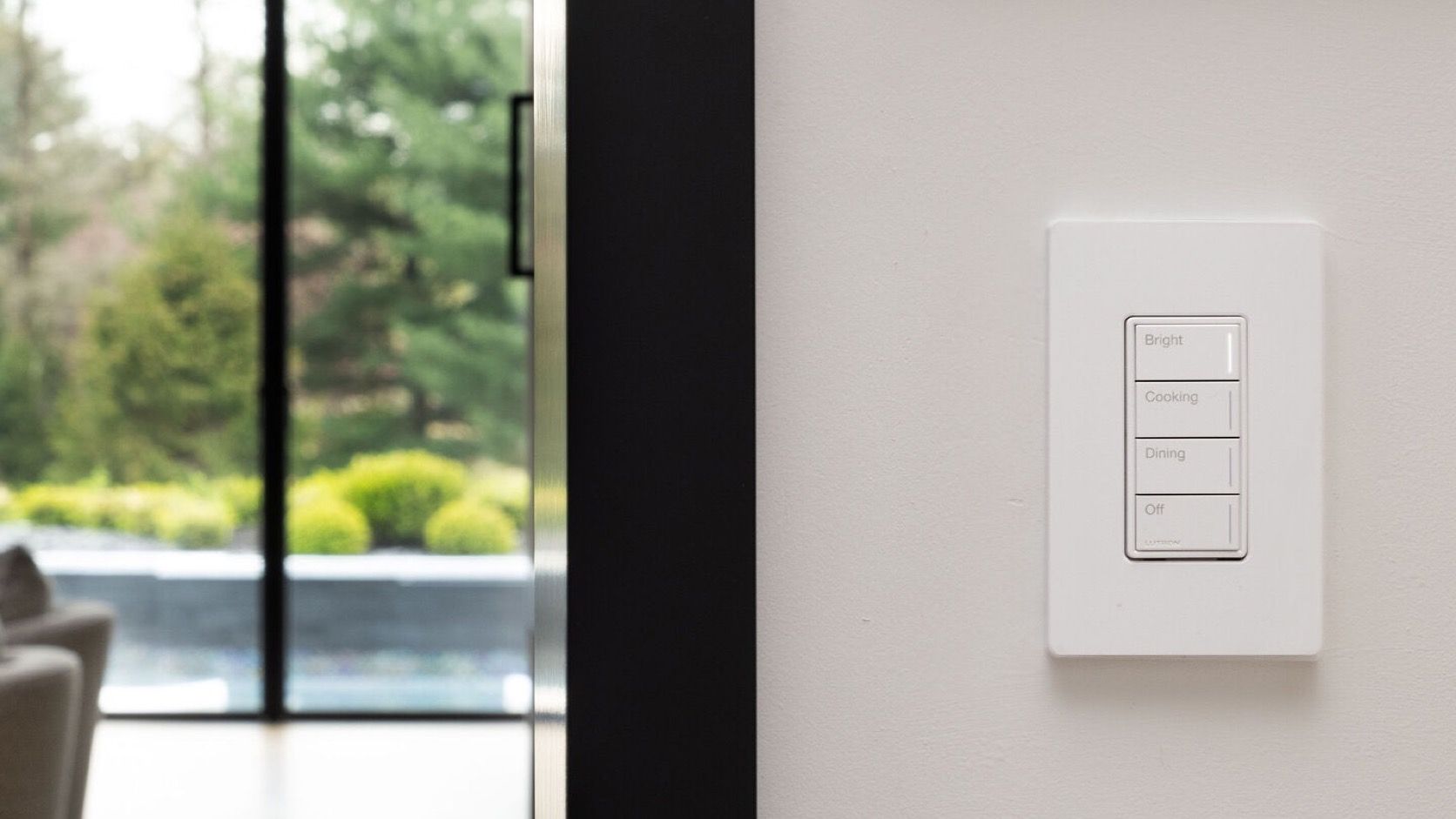
Depending on the room, that may mean a wall control, a handheld control, an app, a schedule, or a scene that coordinates shades with lighting. Useful examples include:
- Morning: open the primary living areas
- Evening: close bedrooms and street-facing glass
- Television: lower only the shades that cause glare
Schedules should match a real routine and remain easy to override. Group names should make sense to the people who live in the house. The system should not close a shade over a door that is being used or treat every room as if it has the same privacy need.
If the shades will be part of whole-home automation, ETG plans the groups and scenes with the lighting controls instead of bolting on a second set of confusing commands later.
What ETG Checks Before Recommending Motorized Shades
The recommendation starts with a room and window review. We check:
- Which windows are difficult to reach after furniture and finishes are installed
- How many shades should normally move together
- The times and viewing positions where glare or privacy becomes a problem
- Whether the homeowner wants a filtered view, privacy, room darkening, or a layered treatment
- Window cranks, handles, mullions, doors, cabinets, tubs, and other physical conflicts
- Inside, outside, fascia, pocket, or drapery mounting conditions
- Whether battery service will remain practical
- Whether wired power is still possible before the walls close
- The controls the homeowner will actually use every day
- How the shades should respond during a power, network, or automation change
- Final field measurements and access for future service
We also look for places where motorization does not earn its cost. A room with one reachable shade and no repeated glare or privacy issue may be a good manual candidate. That is a useful answer, not a missed sale.
When Motorized Shades Are Worth It
Motorized shades are usually worth considering when at least one of these statements is true:
- The window is inconvenient or unsafe to reach routinely.
- Several shades need to move together most days.
- Glare or privacy changes at predictable times.
- The treatment will be used more consistently if it is part of a simple control or schedule.
- The home is under construction and wiring can be planned cleanly now.
- The room needs coordinated layers, such as a view-preserving shade during the day and stronger coverage at night.
They may not be worth it when the shade is easy to reach, rarely moved, and independent from the rest of the room. A motor is not a substitute for the correct fabric, mounting detail, or window measurement.
The best result is not the house with the most motors. It is the house where the treatments people use every day are easy, quiet, and predictable, and the simpler rooms stay simple.
What to Send ETG
For a useful first review, send:
- Floor plans, window schedules, and interior elevations
- Photos of the windows and the rooms around them
- Rooms where glare, privacy, heat, or darkness is a concern
- Furniture, cabinetry, tub, and door locations near the glass
- Any pocket, fascia, drapery, or trim details already drawn
- Lighting-control or home-automation plans
- The construction schedule and drywall date for a new home
- Fabric or shade products already being considered
ETG can help separate the windows that truly benefit from motorization from the ones that do not. Review our lighting and shade work, or send us the plans and problem windows before the details become difficult to change.
Frequently Asked Questions
Are motorized shades worth it for one window?
Sometimes. One tall, blocked, or frequently adjusted window can justify motorization on its own. One easy-to-reach shade that is rarely moved may be better left manual.
Do motorized shades have to be wired?
No. Battery-powered and wired options are available. The right choice depends on the product, opening, construction stage, use, and future service access. Confirm the exact requirements before rough-in.
Can motorized shades reduce glare without losing the view?
A suitable solar-screen fabric can soften glare while retaining some view, but fabric openness, color, sun angle, and room conditions change the result. Test a real sample at the window before making an important selection.
Do blackout motorized shades make a bedroom completely dark?
Blackout fabric blocks light through the material, but edge light can remain depending on the mounting detail. Side channels, greater overlap, or a second treatment may be needed when stronger room darkening is the goal.
Can motorized shades work with lighting control?
Yes, when the selected systems are compatible and planned together. Useful scenes might adjust both the shades and lights for morning, evening, or television viewing without requiring separate steps.