It is a fair question.
You walk into Costco or Best Buy and see a 75-inch 4K TV for around $500. Then you hear about another TV that costs two, three, or four times as much. From the outside, it feels like somebody is just trying to sell you the expensive one.
Sometimes they are.
And sometimes the $500 TV really is the right answer.
If it is going in a bedroom, a kids room, a guest room, a game room, or somewhere you only watch regular TV here and there, I am probably not going to tell you to spend $2,000 just because there is a better TV available.
That is not how I look at it.
The real question is not, "What is the best TV?" The real question is, "What does this TV need to do in this room?"
That is where the answer changes.
The Cheap TV Is Not the Problem
A cheaper TV can be a perfectly good choice when the room is simple and the expectations are simple.
If someone is watching the news before bed, putting cartoons on for the kids, or using a secondary room once in a while, the difference between a budget TV and a better TV may not matter enough to justify the cost.
I do not think every room in a house needs a premium display. In a real house, you should spend money where people will notice it and keep things simple where they will not.
The trap is assuming screen size and 4K resolution tell the whole story. They do not.
Two TVs can both say 75-inch 4K on the box and still look completely different once they are in the room.
Main Living Rooms Are Different
The main living room is usually where the TV decision matters more.
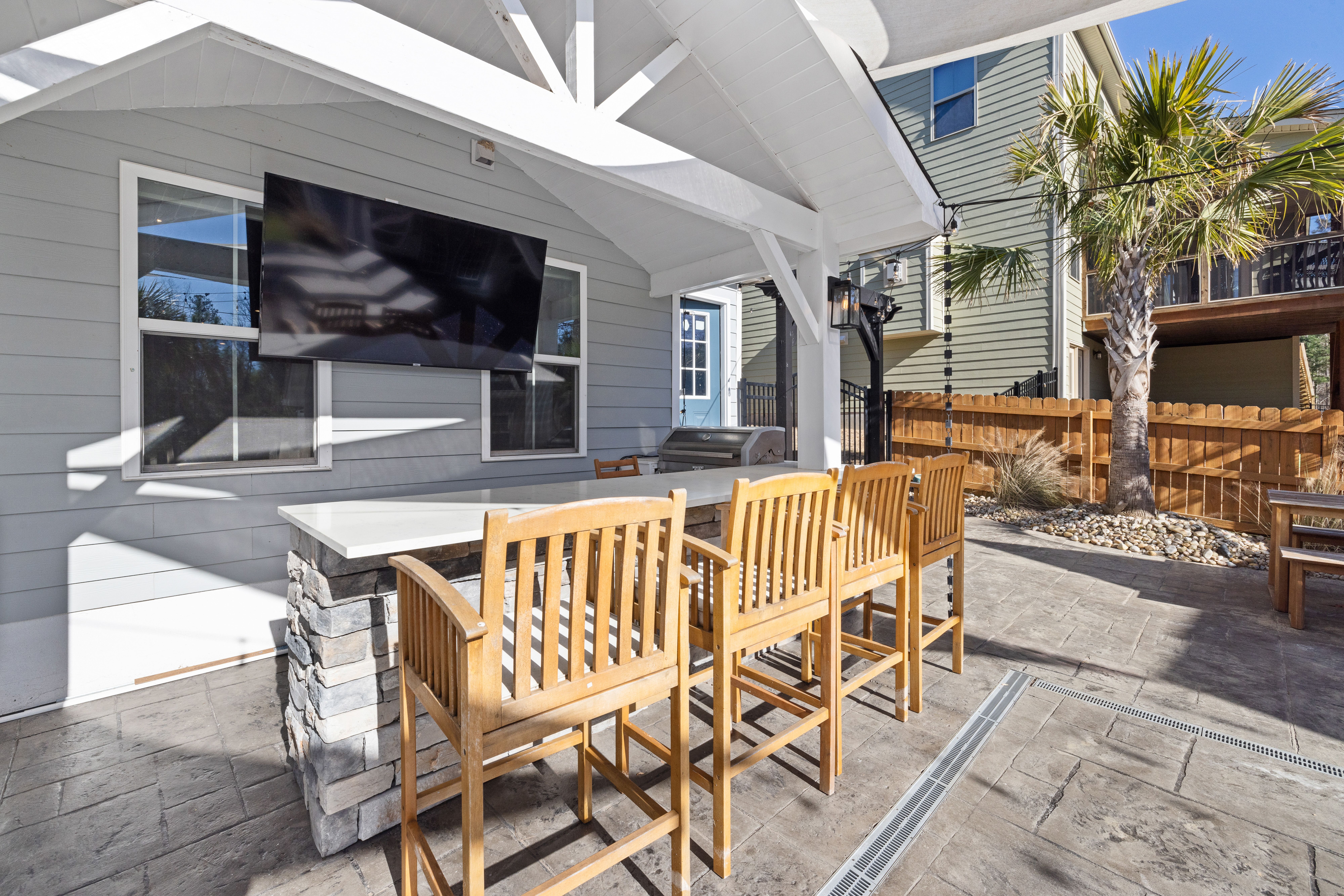
That is the room where the family watches movies, sports, shows, and big events. It is usually brighter. It usually has more windows. People are often sitting at different angles. Guests see it. It may be mounted over a fireplace or placed on the main wall in the room.
All of that changes the decision.
Brightness matters more in a living room than it does in a dark bedroom. If the room has big windows or a lot of natural light, a basic TV can start to look washed out during the day.
Reflections matter too. If you can see lamps, windows, or ceiling lights across the screen, darker scenes can become hard to watch. Some TVs handle that much better than others.
Sports can expose weaknesses too. Motion, screen uniformity, and viewing angle all affect how the picture feels. A TV might look fine when you are sitting directly in front of it and look worse from the side of the sectional.
Movies and streaming shows are another place where people notice the difference, especially because so much newer content is darker and more cinematic. Better contrast and better dark-scene detail help those scenes look intentional instead of muddy.
None of this means the cheaper TV is bad. It means the room is asking more from the TV.
Sometimes You Are Paying for Design, Not Just Picture Quality
There is another reason someone may spend more that has nothing to do with specs.
Sometimes the issue is how the TV looks when it is turned off.
A big black rectangle can take over a room. That is especially true above a fireplace or in a living room that was designed carefully. The TV may be necessary, but that does not mean it should be the first thing you notice.
That is where I use Samsung Frame TVs quite a bit.
When you are not watching TV, the screen displays artwork. Then you can add a decorative frame around the outside so it feels more like something that belongs in the room. It does not disappear completely, but it stops looking like a piece of equipment mounted in the middle of the wall.
For some rooms, that matters as much as the picture.
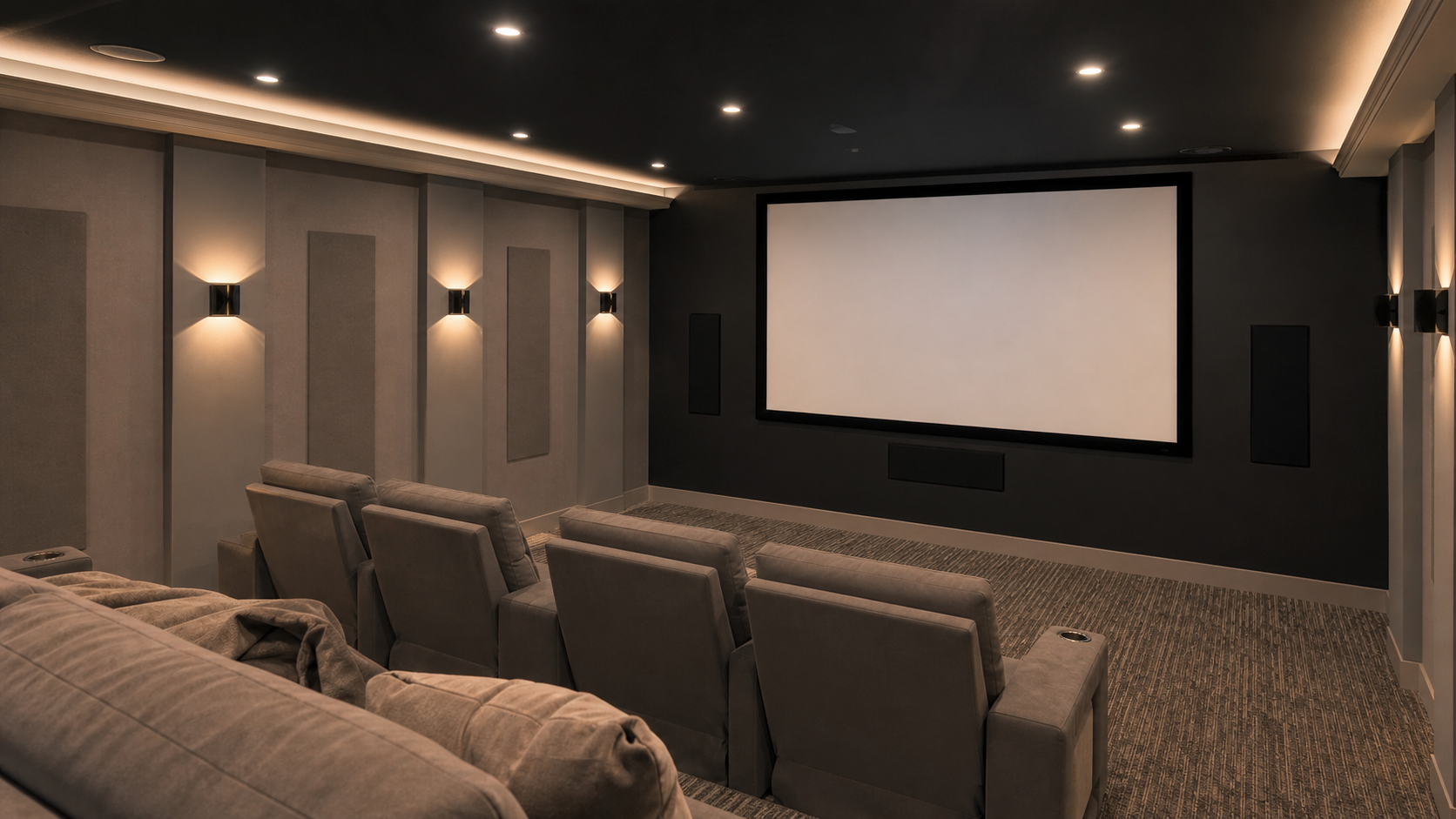
The Frame is not the right answer for every situation. If someone wants the strongest movie performance in a dedicated theater space, I may point them somewhere else. But in a main living room, especially one with a fireplace or a more finished design, the look of the TV can be part of the decision.
That is not wasted money. That is solving a different problem.
Installation Can Make or Break It
The TV itself is only one part of the result.
Mounting height matters. Viewing distance matters. Glare matters. The location of the outlets, wiring, cable boxes, streaming devices, game systems, and any hidden equipment matters.
I have seen expensive TVs look bad because they were put in the wrong place. I have also seen simpler TVs work just fine because the room, placement, and expectations all made sense.
That is why I do not like starting with the price tag.
When ETG looks at a TV location, we are looking at the whole room. Where is the seating? Where are the windows? Is the fireplace forcing the TV too high? Where will the equipment go? Are we trying to make the TV stand out or blend in?
Those details matter more than people think.
They are also much easier to handle before walls are finished, especially in a custom home. Once the room is done, you can still fix some things, but the cleanest options usually come from planning early.
A Simple Way to Think About It
Here is how I would break it down.
For a secondary room, the $500 TV may be plenty. Keep the budget reasonable and do not overthink it.
For the main room your family uses every day, spend more attention on brightness, reflections, motion, contrast, and viewing angle. That is where the upgrade can actually change the experience.
For a designed room, think about what the TV looks like when it is off. A Frame TV, a decorative frame, clean wiring, and hidden equipment may matter more than one more spec on the box.
The goal is not to buy the most expensive TV in the house.
The goal is to put the right TV in the right room.
Sometimes that is the $500 Costco TV.
Sometimes it is not.
If you are trying to decide whether the cheaper TV is enough or whether your main room needs something better, send me a message. I can take a look at the room, how you use it, and tell you honestly where I would spend the money and where I would not.