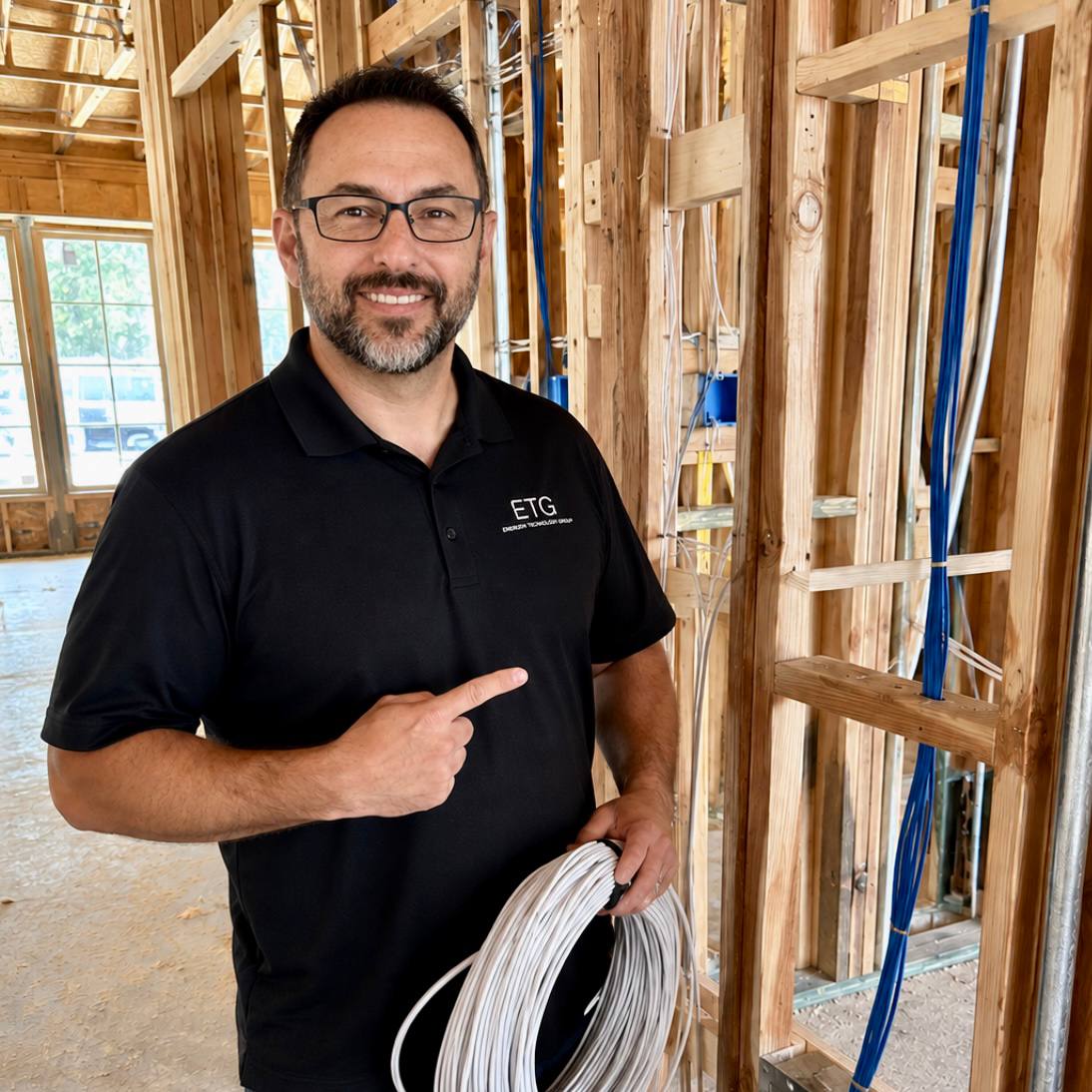
Richard Machemehl reviews low-voltage cabling at a Houston prewire jobsite before the walls are closed.
Don’t build or remodel your home until you read this. It could save you thousands later.
The cheapest time to add wiring for TVs, WiFi, cameras, speakers, motorized shades, and other home technology is while the walls are already open.
Once the drywall goes up, everything gets harder and more expensive.
Now we are cutting holes, fishing wire through walls, working around insulation, repairing drywall, and sometimes finding out there just is not a good way to get the wire where it needs to go.
The frustrating part is that most of those problems can be avoided with a little planning before drywall.
At Executive Technology Group, I help Houston-area homeowners think through this early. You do not need to know every product or buy every piece of equipment now. What matters is having a plan that keeps your options open.
The Most Expensive Wire Is Often the One You Forgot
Low-voltage wiring is easy to overlook during a build or remodel. Cabinets, flooring, lighting, plumbing, and paint colors are all competing for attention. Technology gets pushed to the end.
That is the mistake.
While the framing is accessible, we can plan clean cable routes before cabinets, millwork, and finishes get in the way. This is not about filling the house with technology. It is about avoiding expensive surprises and preserving choices.
What Should Be Planned Before Drywall?
Every home is different, but these are the areas I review with homeowners, builders, and design teams before the walls close.
TVs and Video Locations
Think beyond the obvious living-room television. Will there be TVs in bedrooms, a game room, outdoor living area, kitchen, home gym, or garage?
The location and height of each screen affect where wiring and power need to go. Planning those spots now can keep you from opening finished walls later.
WiFi Access Points
Good WiFi is not something I like to leave until the house is almost finished.
A modem or router tucked into a random cabinet may not provide the coverage the whole home needs. A better plan considers the internet or fiber service entry point, the location of the network equipment, and the best spots for wired access points.
Those access points still need cable. When their locations are planned before drywall, they can be placed where they make sense instead of wherever a cable can be added after construction.
Security Cameras
Think about entrances, the driveway, side yards, gates, the backyard, and other areas you may want to view.
Running the right wire to useful locations now gives you the option to add cameras later without turning the installation into another construction project.
Speakers and Audio
Whole-home audio does not have to mean speakers in every room. Maybe you only want music in the kitchen and out on the patio.
We can decide where those speakers could go, then plan where the wiring should return. The equipment purchase can wait.
Motorized Shades
Motorized shades are another item homeowners often consider after the house is finished. By then, getting power or control wiring to every window can be difficult.
If motorized shades are even a possibility, bring them up early. Wiring requirements depend on the system, so the plan should be reviewed before electrical and low-voltage rough-in work is complete.
Doorbells, Controls, and Other Technology
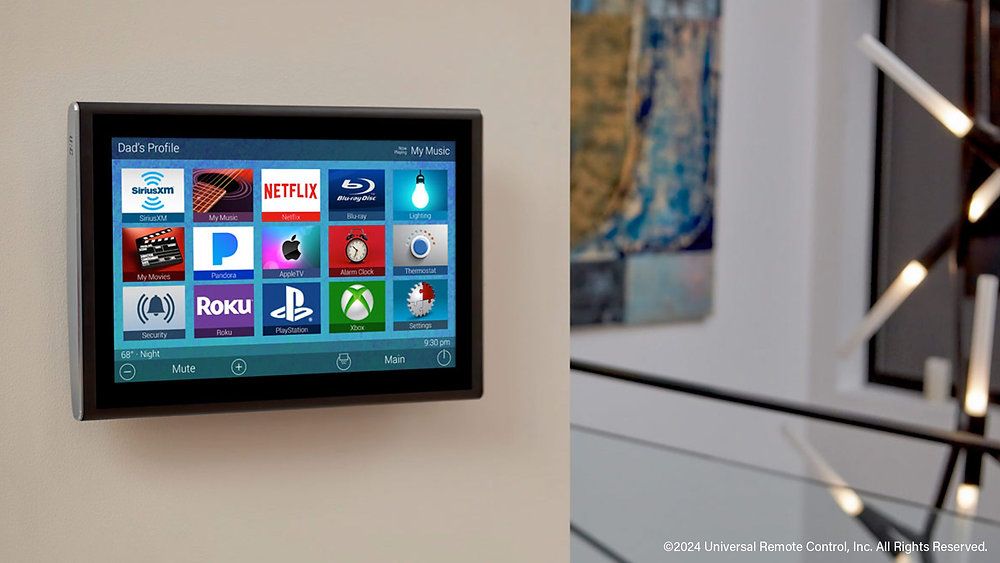
It is also worth thinking about video doorbells, wall-mounted touchscreens, alarm devices, lighting-control locations, door access, and specialty equipment.
You do not need to add every item. The goal is to make intentional decisions before the easy wiring window closes.
You Do Not Have to Buy Everything Right Now
This is one of the biggest misunderstandings I see.
Prewiring a home does not mean you have to purchase a complete technology package during construction. Maybe outdoor speakers, cameras, or motorized shades are future projects.
Put the wire in now, document where it is, and add the equipment when it makes sense.
That approach lets you spread out purchases without losing the opportunity to prepare the house properly.
Conduit Can Make Future Upgrades Easier
I also like adding conduit in certain places because technology changes.
Nobody knows exactly what we will be using 10 years from now. A well-placed conduit creates a path through a finished area so a future cable may be pulled without opening the wall.
Conduit is not necessary everywhere, and it does not replace a thoughtful wiring plan. I use it in selected routes where access may be difficult later or future changes are likely.
When Should Executive Technology Group Get Involved?
The best time is during planning, before electrical and low-voltage rough-in and definitely before drywall.
Executive Technology Group reviews the plans, asks how your family expects to use the home, and recommends wiring and conduit that fit those needs. We can also help coordinate the requirements with the builder, designer, and electrical team.
For a new home or remodel in Houston or the Greater Houston area, this early conversation can prevent a long list of compromises later.
Not sure what technology you want yet? We can still plan the pathways, cable locations, network, and future options, then leave the equipment choices for later.
A little planning before drywall can save a ridiculous amount of money and headache later.
If you are building or remodeling, get Executive Technology Group involved before the walls get closed up. I can help make sure you do not look back and wish you had run something while it was easy.
Frequently Asked Questions
When should I plan low-voltage wiring for a new home?
Start during the design or construction-planning stage. The plan should be settled before electrical and low-voltage rough-in work is finished and before drywall is installed.
Do I have to buy all my home technology during construction?
No. You can prewire for future TVs, cameras, speakers, motorized shades, and other systems, then add equipment over time.
Should I add conduit everywhere?
No. I use it selectively. The best locations are routes that will be hard to reach later or are likely to need different cable in the future.
Can WiFi access points be added after drywall?
Usually, but the available locations and cable routes may be limited. Planning wired access points before drywall gives us far more freedom to put them where they belong.
What should a home technology prewire plan include?
It may include TVs, network equipment, WiFi access points, cameras, speakers, motorized shades, doorbells, control locations, and selected conduit paths. The right plan depends on how you expect to use the home.