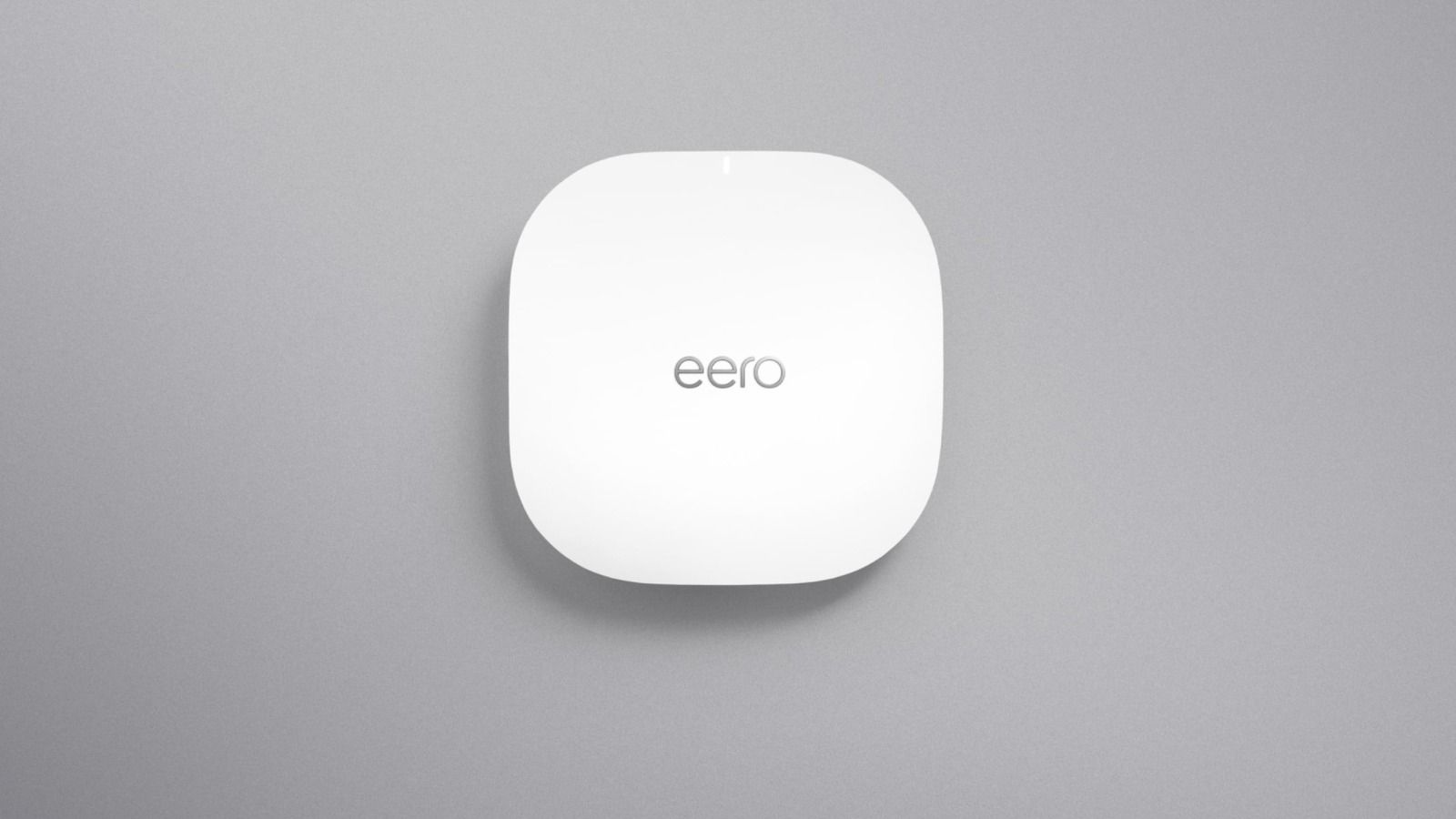
Wi-Fi 7 is no longer theoretical. By March 2026, it is a real option for homes and businesses that want more capacity, lower latency, and stronger performance across busy wireless environments. Chipmakers and network vendors are emphasizing features like Multi-Link Operation, wider 320 MHz channels, and more efficient use of dense traffic. Those improvements are real. But they do not change the most important truth in networking: design still wins.
Where Wi-Fi 7 is worth the upgrade
Wi-Fi 7 makes the most sense when the property already has the right foundation. Multi-gig internet service, properly placed access points, strong wired backhaul, and a growing number of heavy-use devices all make the newer standard more worthwhile. Homes with large streaming demand, cloud gaming, remote work, outdoor coverage needs, and multiple smart systems can all benefit.
Where design matters more than newer hardware
A weak network rarely fails because the spec sheet was too old. It usually fails because access points are in the wrong places, coverage is inconsistent, wired infrastructure is missing, or the system was never designed around the building materials and use patterns of the property.
That is why many clients see a bigger jump from proper placement, better segmentation, and clean infrastructure than they do from replacing one decent Wi-Fi generation with another.
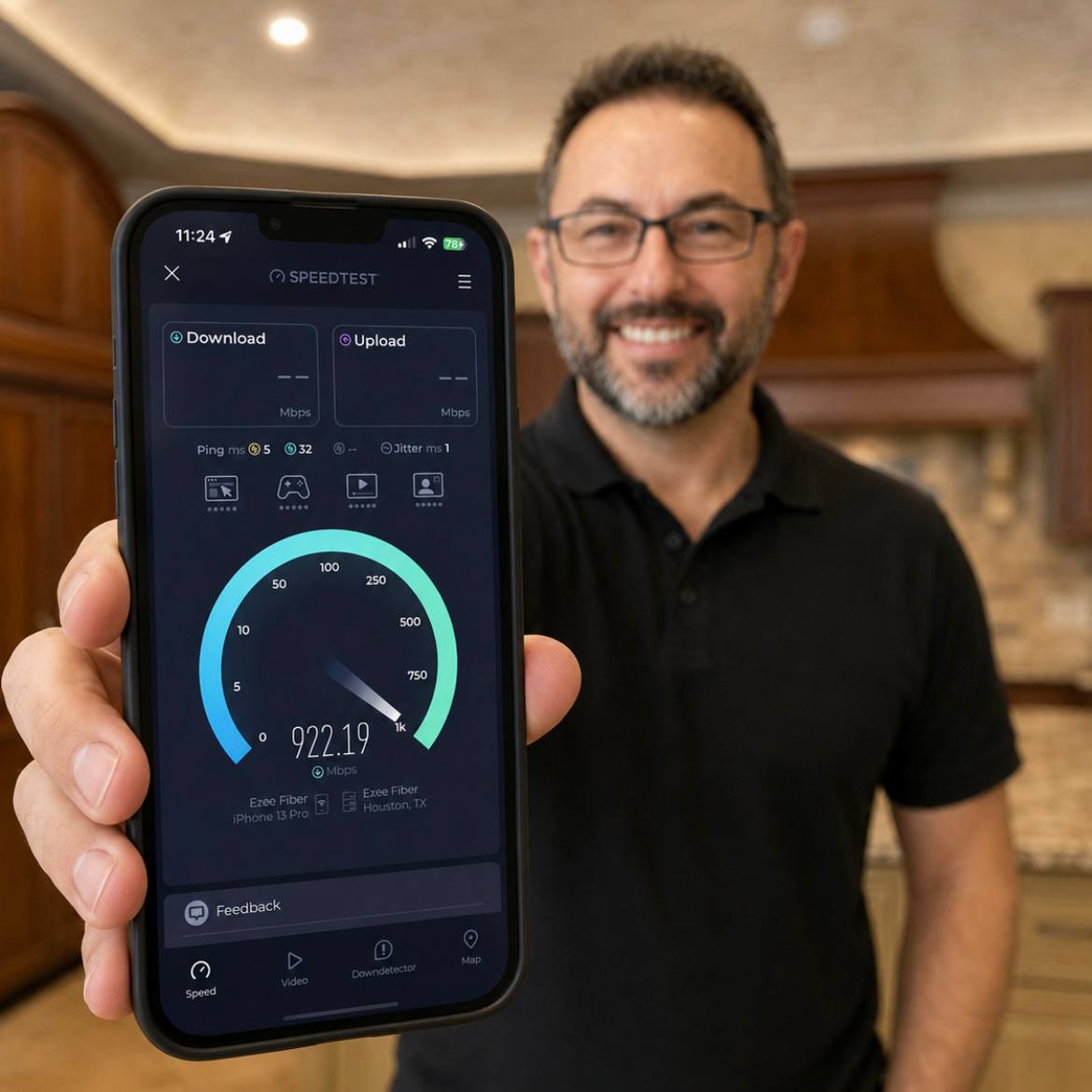
Do not confuse internet speed with network quality
A faster provider plan does not automatically fix lag, dead zones, unstable roaming, or poor performance from cameras and automation devices. Those are often local network issues. The quality of the LAN, not just the WAN, shapes how the property feels day to day.
What a good 2026 network plan looks like
- Start with coverage maps, building materials, and how people actually move through the property.
- Use wired infrastructure and clean backhaul wherever possible.
- Segment traffic so guest devices, cameras, automation, and core business or family devices do not fight each other.
- Upgrade to Wi-Fi 7 where the client will actually feel the benefit, not just where the label sounds newer.
For ETG clients, Wi-Fi 7 is often worth it when the rest of the network strategy is already disciplined. If the design is sloppy, even the newest gear will still feel unreliable. If the design is right, the upgrade can be excellent.