As of March 2026, the most useful AV changes are not about packing more hardware into a room. They are about making premium rooms easier to live with: better picture quality in real lighting conditions, more flexible immersive audio, cleaner control, and system design that respects the architecture.
The screen is still the anchor, but room conditions matter more than the spec sheet
Premium display manufacturers continue to push larger screens, stronger processing, and more AI-assisted picture tools. That is useful, but it does not change the fundamentals. Reflections, viewing distance, cabinetry, and the light level in the room still determine whether a screen feels impressive or exhausting.
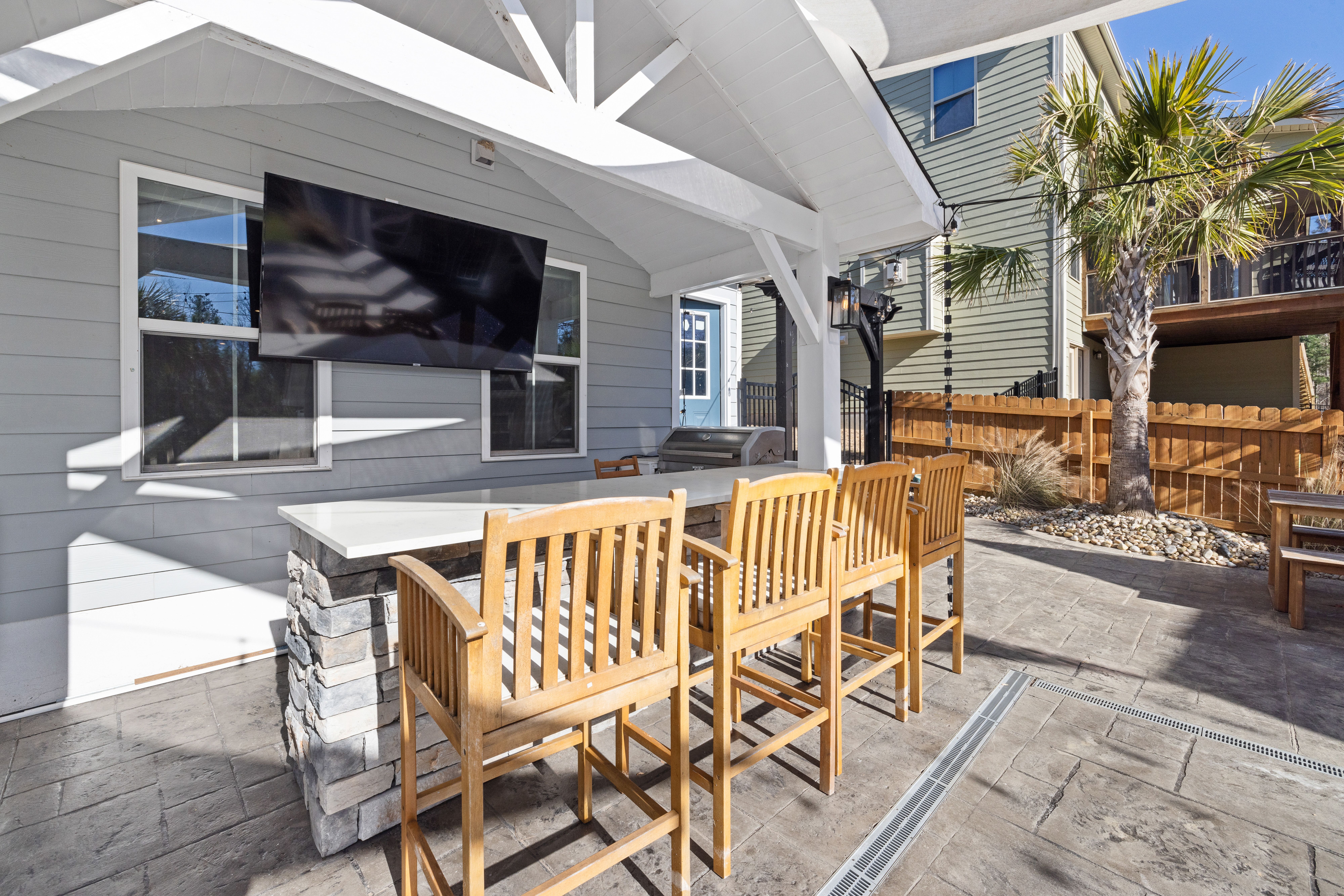
For many Houston homes, the right decision is not simply the biggest television that fits on the wall. It is the screen that works with the room during daytime viewing, entertaining, and late-night use without forcing ugly compromises elsewhere.
Immersive audio is moving toward easier placement, not weaker performance
One of the clearer signals in current AV is that room-friendly immersive audio matters. Dolby FlexConnect is part of that conversation, pointing toward systems that can adapt more intelligently to real speaker placement. That does not mean speaker layout no longer matters. It means the industry is recognizing that good performance has to survive real-world rooms.
Dedicated theaters still benefit from disciplined speaker positions, acoustic treatment, and calibration. But for media rooms and living spaces, flexibility is becoming more valuable because clients want strong sound without the room looking overrun by equipment.
Control should almost disappear
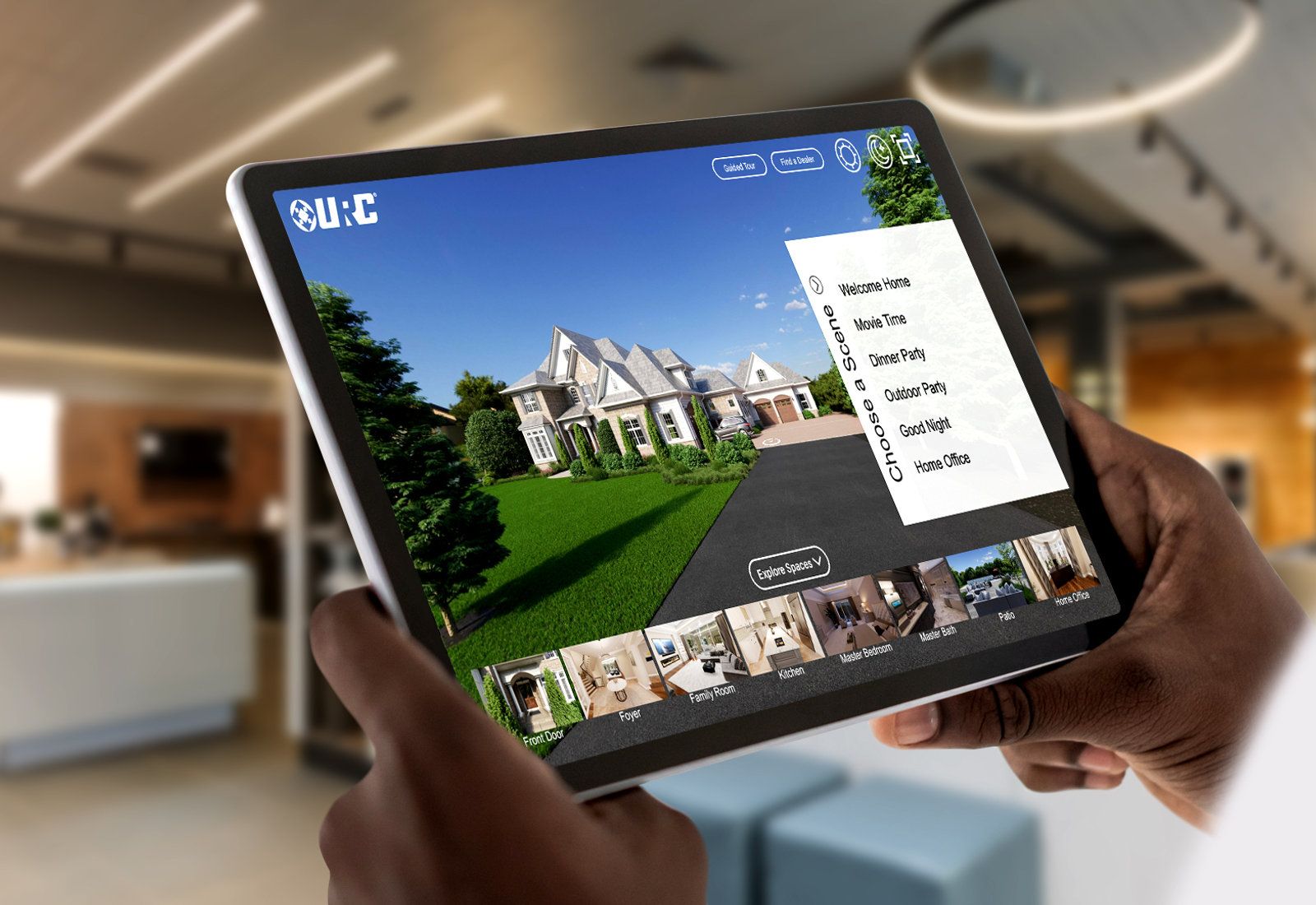
The most expensive AV system in the house can still feel cheap if the user experience is cluttered. In 2026, the standard should be simple: one clean path for watching, listening, and adjusting the room. If a client needs to think about which app, input, remote, or audio zone to use, the integration is not finished.
Design integration is now part of performance
Clients increasingly want art-forward displays, hidden infrastructure, quieter racks, and better cable discipline. That is not a cosmetic detail. It affects ventilation, serviceability, reliability, and whether the room still feels like a finished home instead of a tech demo.
- Prioritize reflection control, room light, and screen placement before chasing headline specifications.
- Plan audio around the room and seating first, then choose equipment that fits that layout cleanly.
- Reduce remotes and app-hopping so the system feels obvious for family and guests.
- Keep the hardware, rack, and wiring strategy aligned with the design level of the home.
For most ETG clients, the best AV project in 2026 is the one that feels effortless. Bigger and newer can help, but the real win is a system that looks right, sounds right, and stays easy to trust every day.